
Empirical neuropsychological assessment of cognitive, psychological, and functional concerns, to support informed clinical opinions and complex medico-legal decision-making.


Jefferson Neurobehavioral Group provides comprehensive forensic neuropsychological evaluations, to address complex questions involving impairment, causation, capacity, and the relationship between reported symptoms and data-driven clinical findings.
Forensic evaluations are conducted to address questions that may have legal, administrative, disability, employment, insurance, or other adjudicative implications. These matters often require consideration of factors extending beyond diagnosis alone, including the extent of identified impairments, contributing or pre-existing conditions, symptom and performance validity, and implications of findings within the context of the case.
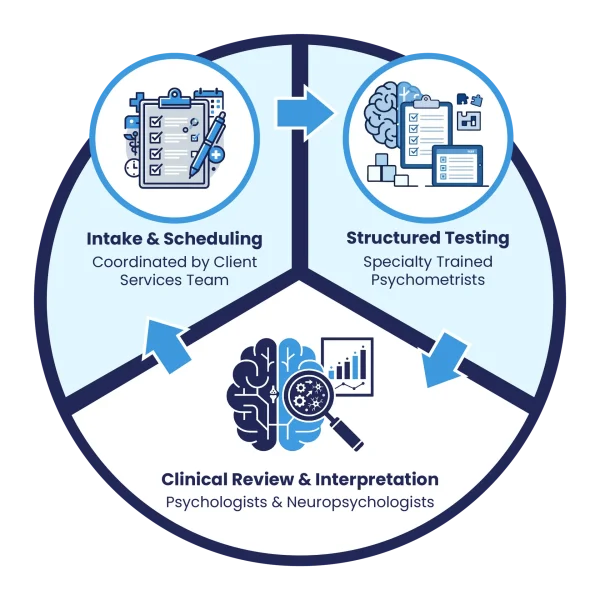
Our psychologists and neuropsychologists apply established clinical methods, standardized assessment, careful review of relevant records, and data-driven interpretation to provide clear, evidence-based conclusions responsive to the specific questions presented.


A forensic neuropsychological evaluation may help determine whether cognitive, psychological, or functional impairment is present, and characterize the nature, extent, and severity of any identified impairment.
The evaluation may examine the relationship between reported symptoms and clinical findings; the potential contribution of injury, illness, psychological, pre-existing, or other factors; and the implications of the findings for an individual’s functioning, capacity, or ability to perform specific activities or responsibilities.
Depending upon the referral question, findings may also help clarify causation and contributing factors, symptom and performance validity, areas of preserved and impaired functioning, and other clinically relevant questions presented by the case.
Forensic neuropsychological evaluations integrate existing diagnoses, independent assessment, and clinical findings within the context of the specific questions presented by the referral. The evaluator provides an impartial assessment based on the available clinical evidence, and conclusions are not predetermined by the source or purpose of the referral.
Each evaluation draws upon relevant records, clinical history, standardized test findings, behavioral observations, and validity data to identify clinically significant patterns, consistencies, and discrepancies; distinguish, when possible, among cognitive, psychological, neurological, medical, and contextual factors; and determine their relevance to the specific issues under consideration.


In addition to forensic neuropsychological evaluations, JNG provides professional consultation and related services based upon the specific needs and questions presented by a case.
Services may include independent review of records and existing clinical findings, review of neuropsychological or psychological testing and expert opinions, scientific and methodological consultation, and expert testimony when appropriate.
JNG works with defense and plaintiffs’ attorneys, physicians, insurers, employers, case managers, government agencies, and other referral sources. Contact us to discuss a case, determine the appropriate evaluation or professional service, or initiate a referral.
Jefferson Neurobehavioral Group provides comprehensive neuropsychological evaluations for adults, adolescents, and children across Louisiana and the Gulf South.
2901 N I-10 Service Road E
Suite #300
Metairie, Louisiana 70002
We use cookies and similar technologies to help keep our website secure, protect our forms from spam, display maps, and improve your experience. With your permission, we also use these technologies to measure the effectiveness of our advertising so we can better connect families with our services. You can accept all technologies, review your Cookie Preferences, or close this notice without accepting optional technologies.